SEARCH

Thursday, December 25, 2025

Builders of Indian Archaeology (ASI India)


Pioneers of Indian Archaeology: Sir Alexander Cunningham & Sir John Marshall

Image

Image

Image

Sir Alexander Cunningham – Founder of the Archaeological Survey of India

Sir Alexander Cunningham (1814–1893) is rightly known as the Father of Indian Archaeology. A British army engineer turned archaeologist, he laid the foundation for systematic archaeological study in India. In 1861, he became the first Director-General of the Archaeological Survey of India (ASI).

Major Contributions

  • Established scientific methods for surveying and documenting ancient monuments

  • Identified and mapped ancient Indian cities mentioned by Chinese travelers like Xuanzang

  • Conducted pioneering excavations at Sarnath, Bharhut, Sanchi, Nalanda, and Bodh Gaya

  • Deciphered early inscriptions and promoted the study of Indian numismatics (ancient coins)

  • Published detailed ASI Reports, still valuable for historians and researchers

Cunningham’s work transformed archaeology from treasure hunting into a disciplined historical science in India.

Image

Image

Image

Image

Sir John Marshall – Architect of Modern Indian Archaeology

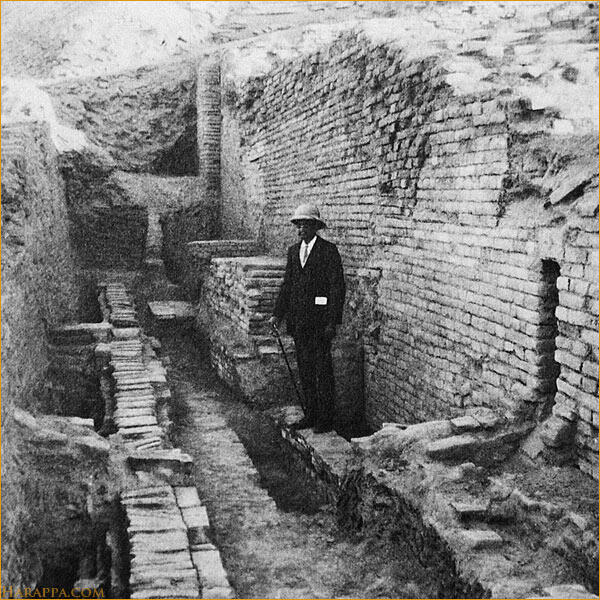
Sir John Marshall (1876–1958) took Indian archaeology to international prominence. He served as Director-General of ASI from 1902 to 1928, making it one of the most respected archaeological institutions in the world.

Major Contributions

  • Led the discovery and excavation of the Indus Valley Civilization at Harappa and Mohenjo-daro

  • Introduced professional conservation practices for monuments

  • Strengthened museum systems and heritage documentation

  • Restored major monuments including Sanchi Stupa, Taj Mahal, and Buddhist sites

  • Authored influential publications such as Mohenjo-daro and the Indus Civilization

Marshall emphasized preservation over reconstruction, setting standards that ASI still follows today.


Their Combined Legacy in ASI India

Together, Cunningham and Marshall shaped the identity and mission of ASI:

  • Cunningham founded and structured archaeological research

  • Marshall modernized, expanded, and globalized Indian archaeology

  • Their work protected India’s cultural heritage for future generations

  • ASI became a guardian of monuments, inscriptions, and ancient cities

Thanks to their vision, India today preserves over 3,600 protected monuments under ASI.


Why This Matters for History & Tourism

For historians, their work provides authentic primary data.
For tourists, it ensures monuments are safe, informative, and well-preserved.
For India, it safeguards a civilization spanning 5,000+ years.

Also Read and Act.

Wednesday, December 24, 2025

A Hidden Mughal Jewel of Delhi-Safdarjung Tomb.

 Image

Image

Image

Image

Image

Safdarjung Tomb – A Hidden Mughal Jewel of Delhi

Delhi is a city where history breathes through monuments, and Safdarjung Tomb is one of its most elegant yet underrated heritage sites. Located near Lodhi Road, this 18th-century mausoleum represents the last phase of Mughal architecture in India and offers a peaceful escape from the city’s hustle.


Historical Background

Safdarjung Tomb was built in 1754 by Shuja-ud-Daula, the son of Safdarjung, who was the Nawab of Awadh and the Prime Minister (Wazir) of the Mughal Empire under Emperor Ahmad Shah Bahadur.
The monument stands as a symbol of the declining Mughal era, when grandeur still existed but resources were limited compared to the golden age of the empire.


Architecture & Design

Inspired by the iconic Humayun’s Tomb, Safdarjung Tomb follows the classic charbagh (four-quadrant) garden layout.

Key architectural highlights:

  • Massive central dome with elegant proportions

  • Red sandstone and marble construction

  • Beautiful arched entrances on all four sides

  • Long water channels reflecting the monument

  • Ornate plaster decorations inside the main chamber

Although simpler than earlier Mughal tombs, the structure has a unique charm and refined symmetry.


Gardens & Atmosphere

The surrounding Mughal garden is one of the most peaceful spots in central Delhi. Lined with palm trees, fountains, and walking paths, it is ideal for:

  • Heritage walks

  • Photography sessions

  • Quiet evening strolls

  • Cultural exploration for foreign tourists

At sunset, the tomb glows with golden hues, making it a favorite spot for photographers.


Why Foreign Tourists Love Safdarjung Tomb

  • Less crowded compared to major monuments

  • Authentic Mughal-era ambience

  • Easy access from South & Central Delhi

  • Perfect stop during Delhi heritage tours

  • Excellent place to understand late Mughal history

As a licensed tour guide, this site fits perfectly into a safe, relaxed, and educational Delhi sightseeing itinerary.


Visitor Information

  • Location: Near Lodhi Road, New Delhi

  • Timings: Sunrise to sunset

  • Best time to visit: October to March

  • Photography: Allowed

  • Entry Fee: Nominal ( for Indians 25 INR Per person  & foreigners 300 INR Per person)


Conclusion

Safdarjung Tomb may not be as famous as the Taj Mahal or Humayun’s Tomb, but its quiet elegance, historical importance, and Mughal charm make it a must-visit heritage monument in Delhi. For travelers who want to explore Delhi beyond the usual tourist trail, this tomb offers history, beauty, and serenity in one place.

Read This also.

India tour

Saturday, December 20, 2025

Exploring India in 2026 by Foreign Tourists & Why They Choose Guided Tours

  • Exploring India 2026

  • India tourism 2026

  • Foreign tourists in India

  • Guided tours in India

  • India travel guide for foreigners

Exploring India in 2026: Why Foreign Tourists Choose Guided Tours

India — a land of dazzling diversity, age-old traditions, vibrant cultures, and breathtaking landscapes — continues to enchant foreign travelers in 2026. With its blend of ancient civilizations, spiritual heritage, and modern dynamism, India is not just a destination but a life-altering experience. As global tourism rebounds and evolves post-pandemic, more international visitors are choosing guided tours to truly understand, enjoy, and navigate this magnificent but complex country.


 Why India Remains a Top Tourist Destination in 2026

India’s appeal rests in its astounding contrasts:

  • Rich heritage and history: From the Taj Mahal in Agra to the ancient rock-cut temples of Ellora and Hampi, India is a treasure trove of world heritage sites recognized by UNESCO.


  • Cultural mosaic: With 28 states speaking hundreds of languages and dialects, cultural expressions vary dramatically from region to region — Bollywood in Mumbai, Kathakali in Kerala, Ghoomar in Rajasthan — each telling a unique story.

  • Spiritual and wellness journeys: India remains a global hub for yoga, meditation, Ayurveda, and spiritual exploration. Places like Rishikesh and Varanasi offer transformative experiences.

  • Natural wonders: From the tranquil backwaters of Kerala and the romantic tea gardens of Darjeeling to the majestic Himalayas in the north and pristine beaches in Goa, India satisfies every nature enthusiast.


🌟 The Appeal of Guided Tours for Foreign Travelers

Although India’s beauty is undeniable, the country’s sheer scale, diversity, and nuances can feel overwhelming for first-time visitors. Here’s why guided tours are a preferred choice:


 1. Smooth Navigation of a Complex Country

India can be logistically challenging due to:

  • Diverse languages: English is widely spoken in urban areas, but regional dialects dominate in rural zones.

  • Transport variety and chaos: Trains, buses, tuk-tuks, and taxis — each with its own rules. Guided tours ensure seamless transfers and navigation without frustration.

Guides streamline travel, offering efficient pathways across different cities and regions that might otherwise confuse independent travelers.


 2. Enhanced Safety and Comfort

For many foreign visitors, India’s bustling streets, unfamiliar food hygiene standards, and unpredictable public transit may seem intimidating. Guided tours:

  • Ensure safe, sanitized accommodations.

  • Provide reliable local transport with vetted drivers.

  • Offer safety briefings and emergency support.

  • Prevent scams and ensure respectful cultural interactions.


 3. Insightful Cultural Interpretation

Guided tours turn sightseeing into learning:

  • Knowledgeable guides explain historical sites with context, not just facts.

  • Cultural nuances — like temple etiquette or festival meanings — are made understandable and respectful.

  • Travelers gain depth rather than surface-level appreciation.


 4. Personalized and Authentic Experiences

Modern guided tours go beyond the standard itinerary:

  • Local encounters: Home visits, conversations with artisans, village experiences.

  • Culinary adventures: Guided food tours through markets and tastings of regional cuisine.

  • Festivals and rituals: Knowledgeable guides help visitors participate in local celebrations with cultural sensitivity.


 5. Convenience and Peace of Mind

For many first-time visitors, planning an India trip can be overwhelming due to:

  • Visa requirements

  • Train and domestic flight bookings

  • Accommodation quality differences

  • Regional permits (e.g., restricted border areas)

Professional tour operators handle all logistical planning, allowing travelers to relax and enjoy the journey.

Explore this


 The Future of Tourism in India

In 2026, India is investing heavily in tourism infrastructure:

  • Improved airport connectivity

  • Better highway networks and highways

  • Tourism-friendly digital services

  • Enhanced sanitation and safety measures

This means smoother travel experiences for all visitors.

However, as tourism increases, so does the importance of sustainable practices. Eco-friendly tours, responsible sightseeing, and community-based travel are becoming mainstream — and guided tours are at the forefront of promoting these values.


 Final Thoughts

India’s allure lies not only in its destinations but in its stories — the sights, sounds, smells, and soul that make every journey unforgettable. For many foreign travelers in 2026, guided tours are the key to unlocking this vibrant world with clarity, safety, and cultural respect.

Whether you’re exploring the regal palaces of Rajasthan, cruising Kerala’s backwaters, or meditating under the Himalayan skies, guided tours offer depth, ease, and enriching memories that last a lifetime.

Also read.

india tour

connect me Today for ideal India tour.

See my WhatsApp button at Top.


Sunday, December 14, 2025

How Cricket Came to India—and Became the Nation’s Heartbeat


History of Cricket in India: From Colonial Past to Global Powerhouse

Image

Image

Image

Introduction

Cricket in India is not just a sport—it is an emotion, a cultural bond, and a unifying force. The history of cricket in India dates back more than 300 years, beginning under British colonial rule and evolving into a symbol of national pride. From dusty maidans to world-class stadiums, India’s cricketing journey reflects its social, political, and cultural transformation.


Arrival of Cricket in India (18th–19th Century)

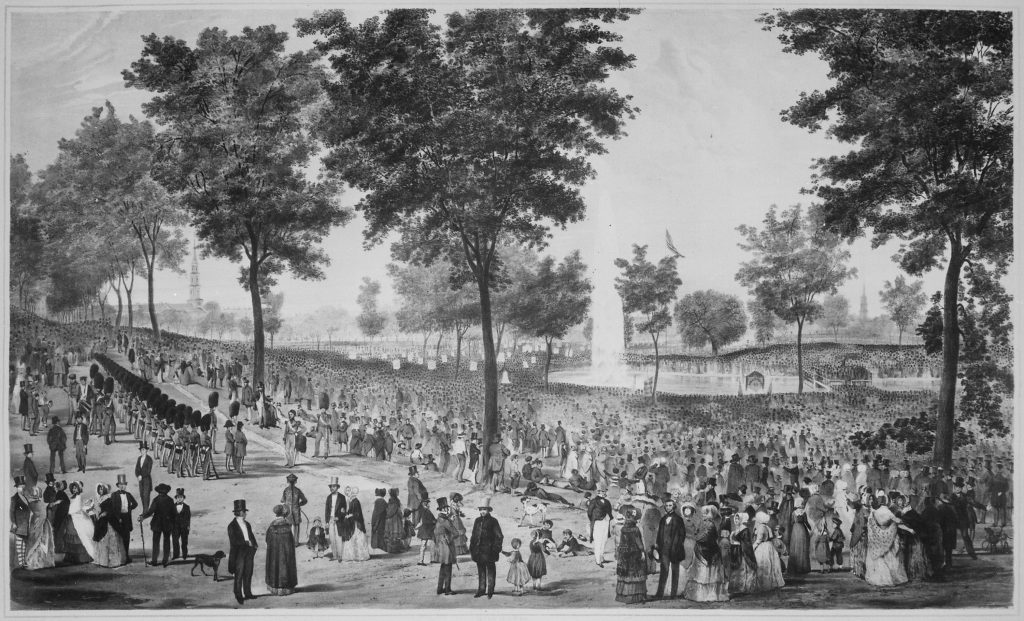
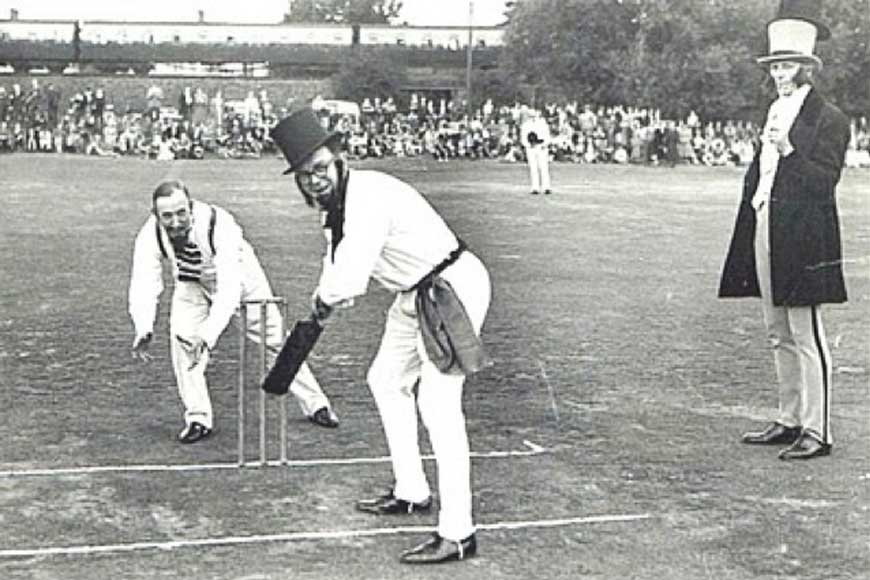
Cricket was introduced to India by British sailors and East India Company officials in the early 18th century. The first recorded cricket match in India was played in 1721. Initially, the game was confined to British officers and elite clubs in port cities like Bombay (Mumbai), Calcutta (Kolkata), and Madras (Chennai).

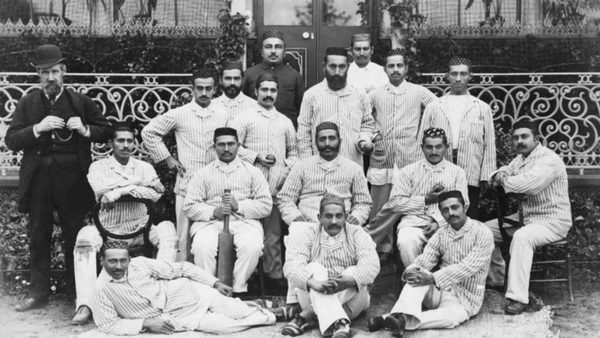
Indian communities soon adopted the sport, with the Parsis becoming the first Indian community to actively play cricket. In 1848, they founded the Oriental Cricket Club in Bombay, marking a turning point in Indian cricket history.


Community Cricket & The Bombay Quadrangular

Cricket in colonial India was organized along community lines. This led to tournaments like:

  • Bombay Triangular

  • Bombay Quadrangular (Europeans, Parsis, Hindus, Muslims)

These matches were extremely popular and played a crucial role in spreading cricket among Indians. However, they also reflected colonial-era divisions.


India Enters International Cricket (1932)

Image

Image

Image

India played its first Test match in 1932 at Lord’s, England, under the captaincy of C.K. Nayudu. Though India lost, the match marked India’s official entry into international cricket.

In 1934, the Board of Control for Cricket in India (BCCI) was formed, which later became the most powerful cricket board in the world.


Post-Independence Era & Early Struggles (1947–1970s)

After independence in 1947, cricket became a source of national identity. Indian legends like:

  • Vinoo Mankad

  • Polly Umrigar

  • Mansoor Ali Khan Pataudi

helped India gain respect on the international stage. However, overseas victories were rare, and India was still considered a weak touring side.


The 1983 World Cup: A Turning Point

Image

Image

Image

The 1983 Cricket World Cup victory under Kapil Dev changed everything. India defeated the mighty West Indies at Lord’s, shocking the cricketing world. This win:

  • Popularized cricket nationwide

  • Inspired future generations

  • Increased media and commercial interest

Cricket truly became a mass sport in India after 1983.


Liberalization, TV & The Sachin Era (1990s)

The 1990s saw the rise of television, sponsorships, and iconic players. Sachin Tendulkar, known as the God of Cricket, became a global superstar. Alongside players like:

  • Rahul Dravid

  • Sourav Ganguly

  • Anil Kumble

India transformed into a competitive cricketing nation.


IPL & Modern Dominance (2008–Present)

Image

Image

Image

Image

The launch of the Indian Premier League (IPL) in 2008 revolutionized world cricket. It brought:

  • Global players together

  • Massive revenues

  • Young Indian talent to the forefront

Major achievements in this era include:

  • T20 World Cup 2007 (MS Dhoni)

  • ODI World Cup 2011

  • Test series wins abroad

  • India becoming No.1 Test team

  • 2024 Twenty-Twenty World cup.

  • 2025 Asia cup.


Conclusion

From a colonial pastime to a global cricketing superpower, the history of cricket in India is a story of passion, perseverance, and pride. Today, cricket unites millions across languages, regions, and cultures—making it an inseparable part of India’s identity.

Also read.

india with me


Wednesday, December 10, 2025

From Denmark to the British Raj: The Evolution of Postal Services in India

From Denmark to the British Raj: The Evolution of Postal Services in India


The history of India’s postal system is a fascinating journey shaped by various European powers. Among the earliest contributors were the Danes, who established trading settlements in India and managed their own postal operations. However, with the decline of Danish influence and eventual transfer of their colonies, their postal system disappeared—making way for the more organized and extensive British Indian Postal Service.

This article explores the transition from Denmark’s postal presence to the powerful communication network built by the British.


1. Danish Rule in India and Their Postal Services

A. Danish Trading Settlements


Denmark established trading posts in India in the 17th century, mainly in:

  • Tranquebar (Tharangambadi), Tamil Nadu – the main Danish settlement

  • Serampore (Frederiksnagore), West Bengal

These settlements functioned under the Danish East India Company, which created administrative and communication systems to support trade.

B. Early Postal Arrangements by the Danes

The Danish postal service in India was small but functional:

  • Used for official communications between Danish forts and factories

  • Relied on local runners and messengers

  • Provided limited postal exchange with other European settlements

In Serampore, the Danes even issued local postal stamps (1856–1868), making them one of the earliest foreign powers to use stamps on Indian soil.

C. Closure of the Danish Postal System

With mounting financial problems and competition from larger European powers, Denmark decided to withdraw from India.

Key events:

  • 1845 – Denmark sold Tranquebar and Serampore to the British East India Company.

  • Danish postal arrangements were dissolved after the transfer.

  • All postal routes, buildings, and services came under British control.

This marked the end of the Danish communication network in India.


2. Rise of the British Postal Service in India

The British inherited territories once controlled by other European traders—Portuguese, Dutch, French, and Danes. However, unlike others, the British invested heavily in creating a modern, centralized postal system.


A. The Postal Reforms of Lord Dalhousie (1850s)

Lord Dalhousie is considered the architect of the modern postal system in India.

Major reforms:

  • Universal postal rates

  • Introduction of uniform postage stamps (1854)

  • Expansion of post offices across major towns

  • Establishment of the Indian Post Office Department

By the time the Danish territories were absorbed, British postal reforms were already transforming India’s communication landscape.


B. Infrastructure Growth Under British Rule

1. Post Offices and Mail Routes

Thousands of post offices were established nationwide, connecting:

  • Administrative centers

  • Commercial trading ports

  • Railways and telegraph stations

2. Railways and Postal Transport


Railways revolutionized mail delivery:

  • Faster dispatch

  • Longer routes

  • More secure transportation

3. Introduction of the Telegram System (1852–1855)


Telegraph lines connected:

  • Calcutta → Bombay

  • Calcutta → Madras

  • Northern India → Peshawar

This reduced communication time from weeks to minutes.


C. India Post Under the Viceroys (1858–1947)

After 1857, British Crown rule made postal services even more organized.

Important milestones:

  • 1866: Indian Post Office Act

  • 1873: Money Order system

  • 1880: Postal Life Insurance

  • 1911: First official airmail flight (Allahabad–Naini)

These developments made the British Indian postal system one of the largest in the world.


3. Significance of the Danish-to-British Transition

1. Shift from limited colonial mail to a mass communication network

Danish services were small and restricted, whereas British services became nationwide.

2. Integration of former Danish territories

Serampore and Tranquebar became part of the British communication grid, helping unify postal systems.

3. Foundation of modern India Post

Many structures created by the British—postal laws, stamps, sorting systems—still continue today.


Conclusion

The closure of Denmark’s postal service in India marked the end of a small but pioneering European influence in communication. Its end created the opportunity for the British to integrate these areas into a grander, more advanced postal network.

By the late 19th century, the British Indian Postal Service had grown into a powerful institution—efficient, standardized, and foundational to modern India’s communication system.


Read also

India with me

https://khanmansur.blogspot.com/2025/10/red-fort-of-delhi-pride-of-mughal.html

Old Delhi- A living museum of History and Culture.

Explore Old Delhi with a Trusted Local Guide Delhi is not just a city—it is a living museum of history, culture, and food. Our guided tours...

Tour Incredible India