SEARCH

Showing posts with label Must read.. Show all posts

Sunday, December 14, 2025

How Cricket Came to India—and Became the Nation’s Heartbeat


History of Cricket in India: From Colonial Past to Global Powerhouse
Image

Image

Image

Introduction

Cricket in India is not just a sport—it is an emotion, a cultural bond, and a unifying force. The history of cricket in India dates back more than 300 years, beginning under British colonial rule and evolving into a symbol of national pride. From dusty maidans to world-class stadiums, India’s cricketing journey reflects its social, political, and cultural transformation.


Arrival of Cricket in India (18th–19th Century)

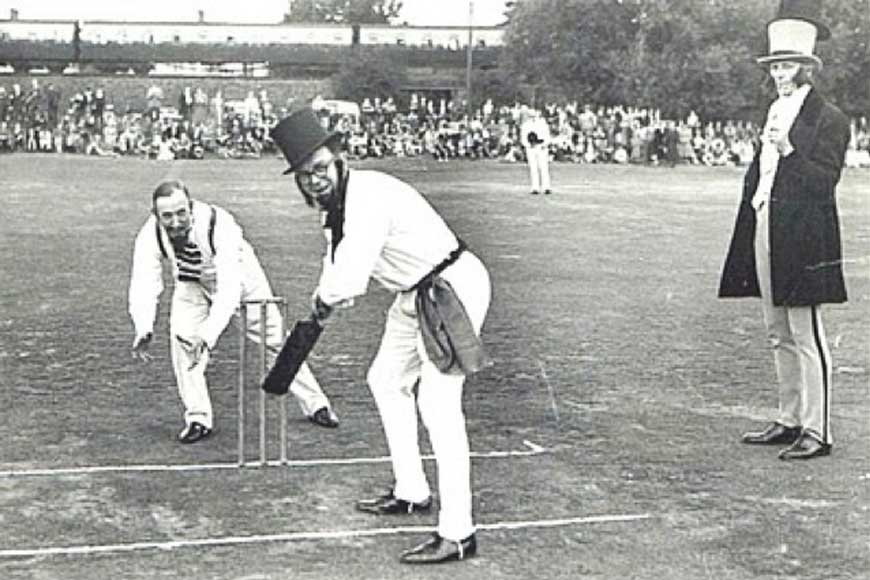
Cricket was introduced to India by British sailors and East India Company officials in the early 18th century. The first recorded cricket match in India was played in 1721. Initially, the game was confined to British officers and elite clubs in port cities like Bombay (Mumbai), Calcutta (Kolkata), and Madras (Chennai).

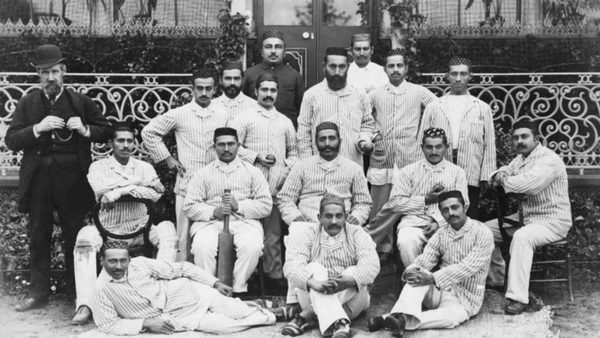
Indian communities soon adopted the sport, with the Parsis becoming the first Indian community to actively play cricket. In 1848, they founded the Oriental Cricket Club in Bombay, marking a turning point in Indian cricket history.


Community Cricket & The Bombay Quadrangular

Cricket in colonial India was organized along community lines. This led to tournaments like:

  • Bombay Triangular

  • Bombay Quadrangular (Europeans, Parsis, Hindus, Muslims)

These matches were extremely popular and played a crucial role in spreading cricket among Indians. However, they also reflected colonial-era divisions.


India Enters International Cricket (1932)

Image

Image

Image

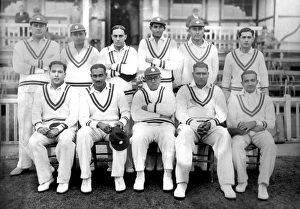
India played its first Test match in 1932 at Lord’s, England, under the captaincy of C.K. Nayudu. Though India lost, the match marked India’s official entry into international cricket.

In 1934, the Board of Control for Cricket in India (BCCI) was formed, which later became the most powerful cricket board in the world.


Post-Independence Era & Early Struggles (1947–1970s)

After independence in 1947, cricket became a source of national identity. Indian legends like:

  • Vinoo Mankad

  • Polly Umrigar

  • Mansoor Ali Khan Pataudi

helped India gain respect on the international stage. However, overseas victories were rare, and India was still considered a weak touring side.


The 1983 World Cup: A Turning Point

Image

Image

Image

The 1983 Cricket World Cup victory under Kapil Dev changed everything. India defeated the mighty West Indies at Lord’s, shocking the cricketing world. This win:

  • Popularized cricket nationwide

  • Inspired future generations

  • Increased media and commercial interest

Cricket truly became a mass sport in India after 1983.


Liberalization, TV & The Sachin Era (1990s)

The 1990s saw the rise of television, sponsorships, and iconic players. Sachin Tendulkar, known as the God of Cricket, became a global superstar. Alongside players like:

  • Rahul Dravid

  • Sourav Ganguly

  • Anil Kumble

India transformed into a competitive cricketing nation.


IPL & Modern Dominance (2008–Present)
Image

Image

Image

Image

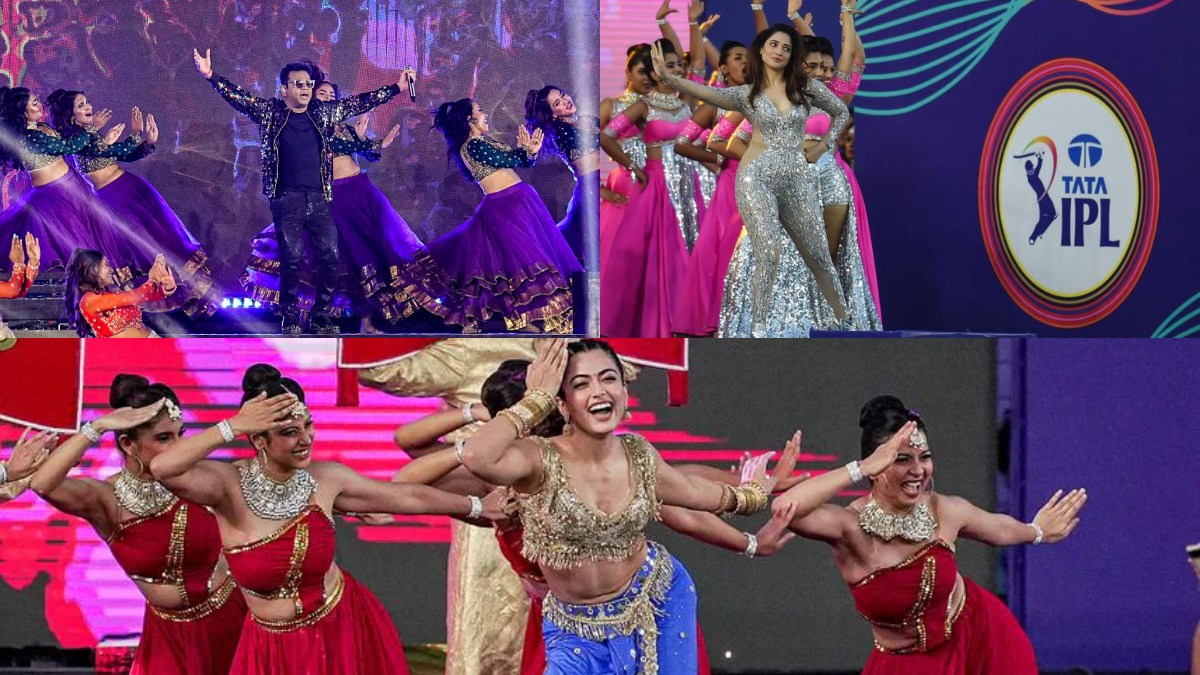
The launch of the Indian Premier League (IPL) in 2008 revolutionized world cricket. It brought:

  • Global players together

  • Massive revenues

  • Young Indian talent to the forefront

Major achievements in this era include:

  • T20 World Cup 2007 (MS Dhoni)

  • ODI World Cup 2011

  • Test series wins abroad

  • India becoming No.1 Test team

  • 2024 Twenty-Twenty World cup.

  • 2025 Asia cup.


Conclusion

From a colonial pastime to a global cricketing superpower, the history of cricket in India is a story of passion, perseverance, and pride. Today, cricket unites millions across languages, regions, and cultures—making it an inseparable part of India’s identity.

Also read.

india with me


Thursday, October 31, 2024

How to identify Real Tour Guides and fake guides or touts in India.

 Identifying legitimate tour guides versus touts or unauthorized individuals in India can be a challenge, especially in popular tourist areas where touts often try to engage visitors. Here are some key tips to help you distinguish between an authorized guide and a fake guide or tout

The Pan India Tour Guide known as IITG it means Incredible India Tourist Guide, these are Premiums Guides who are Minimum Graduates and they need to pass competitive exam by Tourism Ministry of India. Last time it was  in year 2016-17 Batch. 

IITG means professional Tour Guides and their license valid for Whole India. They can work on Major or Minor Monuments , can be Tour escorts and for city sight seeing.

Below the Front Image of their License. Always need to see his or her card, before book for any tour.


Read These points about how to confirm.

1. Look for Official Identification

  • ID Card: Authorized guides in India generally carry an official identification card issued by the Ministry of Tourism, Archaeological Survey of India (ASI), or respective state tourism departments. This card usually has:
    • The guide's name, photo, and registration number.
    • The issuing authority’s logo and official stamp.
    • Expiry date of the license.
  • Uniform: In some areas, licensed guides wear uniforms or badges, particularly those employed at archaeological sites managed by the ASI.

2. Check Language and Expertise Certifications

  • Certified guides often have specific training and certifications, especially if they speak foreign languages. They may display language proficiency credentials, indicating they are equipped to cater to international tourists.
  • Authorized guides typically have completed courses or exams on India's history, culture, and sites, which touts generally lack. Some government-issued ID cards include language proficiency information.

3. Verify Affiliation with Tourism Organizations

  • Legitimate guides may be affiliated with recognized bodies, like:
    • Ministry of Tourism, Government of India: Guides approved here have completed a comprehensive certification program.
    • State Tourism Departments: Each state, such as Rajasthan or Kerala, may have its own tourism board and certification process.
    • Professional Tourism Associations: Groups like the Indian Association of Tour Operators (IATO) and Travel Agents Association of India (TAAI) often vet their members, adding an extra layer of legitimacy.
  • Most authorized guides will display their affiliation on their identification.

4. Observe the Guide’s Conduct and Language

  • Professionalism: Licensed guides tend to approach tourists professionally, avoiding pushy or aggressive tactics. Touts, on the other hand, may harass, badger, or pressure tourists into accepting their services.
  • Transparency: Authentic guides are generally upfront about fees, schedules, and itineraries. They avoid hidden charges or abrupt changes.
  • Knowledge Depth: Authorized guides usually display a deeper knowledge of the site’s history, architectural details, and cultural context than touts, who may lack this expertise.

5. Use Official Tourist Centers and Reputable Travel Agencies

  • Government Tourist Information Centers: In larger cities and popular destinations, government-run tourism offices offer verified information on guides and can help you book an official one.
  • Hotels and Reputable Travel Agencies: Many high-quality hotels and registered travel agencies work only with licensed guides. If in doubt, ask your hotel to recommend or arrange for a licensed guide.

6. Ask for Documentation if Unsure

  • Politely request to see the guide’s license or ID card. Licensed guides are generally happy to show you their credentials, while unauthorized guides may attempt to brush this off or make excuses.

7. Pre-book Guides Through Online Platforms

  • Websites such as Incredible India (official government tourism site) and other established online travel agencies often offer guide-booking services with verified licensed guides. Booking in advance through official or verified platforms reduces the risk of encountering a tout.

8. Observe Location-Specific Behavior

  • In popular tourist spots (such as the Taj Mahal, Red Fort, or Jaipur’s palaces), authorized guides tend to stay at designated entrances or wait in designated areas rather than roaming freely. Touts often try to intercept tourists on the street, in parking lots, or outside official areas.
  • In cities like Agra, Delhi, or Jaipur, the ASI or Ministry of Tourism usually controls guides within certain historic sites. So, you can ask site officials to verify the guide’s authenticity.

9. Be Wary of Overly Low Prices

  • Licensed guides generally charge set fees as per the local tourism department or their experience level. Extremely low-priced offers are usually a red flag, as touts often lure tourists with cheap rates.

10. Trustworthy Reviews and Recommendations

  •  Google Reviews, and other tourism review sites often have lists and reviews of official guides. If you're exploring India for the first time, it’s wise to research guide services on such platforms, as established and well-reviewed guides are more likely to be genuine.

Summary Checklist:

  • Licensed ID with Ministry/State/ASI approval.
  • Professional conduct and clear communication.
  • Transparent about fees and knowledgeable about sites.
  • Association with reputable tourism boards or agencies.
  • Avoids aggressive or pushy behavior.
  • Recommendations from official tourist centers or hotels.

By staying vigilant with these steps, you can ensure a safe, enriching experience with a trustworthy guide in India.


please share this article for betterment for legal and fair Tourism practice.

also read

https://khanmansur.blogspot.com/2025/10/red-fort-of-delhi-pride-of-mughal.html

Old Delhi- A living museum of History and Culture.

Explore Old Delhi with a Trusted Local Guide Delhi is not just a city—it is a living museum of history, culture, and food. Our guided tours...

Tour Incredible India