SEARCH

Showing posts with label must read. Show all posts

Saturday, January 24, 2026

25 Major Questions Foreigners Ask (with Clear Answers)


25 Major Questions Foreigners Ask (with Clear Answers)

1) “Is India safe for foreign tourists?”

Answer: Yes, with smart travel habits. Use trusted transport (Uber/Ola/prepaid taxi), keep valuables secure, avoid isolated areas late night, and prefer verified guides and reputable hotels. In crowded markets, stay alert for pickpockets and distraction scams.

2) “What are the most common tourist scams in India?”

Answer: Fake guides ,must read “closed today” scams, inflated taxi fares, gemstone etc. pressure shopping, and agents pushing overpriced tours. Use official ticket counters, verified platforms, and confirm prices before any service.

3) “Do I need a licensed tour guide?”

Answer: Yes, but need to confirm his/her License. IITG , Incredible India Tourist Guides are Premium guides in India,  A licensed guide improves historical context, saves time, and helps avoid fake-guide problems and overcharging.

4) “What is the best time to visit India?”

Answer: Generally October to March for North India (Delhi–Agra–Jaipur–Rajasthan) due to pleasant weather. Summer can be very hot; monsoon is lush but humid and can disrupt plans. But you will get best to best deal in Summer Months. 

5) “How many days do I need for the Golden Triangle?”

Answer: Ideal is 5–7 days for Delhi, Agra, Jaipur. Add 3–7 extra days for Rajasthan (Jodhpur, Jaisalmer, Udaipur, Pushkar).

6) “What is the best way to travel between cities?”

Answer:

  • Train: good for comfort and experience (book early).

  • Private car with driver: best for flexibility and safety, especially Rajasthan loops.

  • Flights: best for long distances to save time.

7) “How do I book Indian trains as a foreigner?”

Answer: Use official apps/websites, authorized partners, or get help via your official tourist Guide /travel agent. Book early for popular routes. Carry passport/ID and keep your PNR handy.

8) “Do I need cash, or can I pay by card?”

Answer: Carry both. Cards work in hotels/restaurants, but cash is useful for small shops, tips, and local markets. Keep small denominations.

9) “Can foreigners use UPI in India?”

Answer: In many places, UPI is widely accepted, but tourist access can depend on bank/phone setup. If you can’t activate UPI, use cards + cash and avoid paying by random QR codes from unknown people.

10) “How much should I tip in India?”

Answer: Tipping is appreciated. For guides/drivers, tip based on service quality and trip length. In restaurants, check if service charge is included; otherwise tip modestly.

11) “What should I wear in India?”

Answer: Modest, breathable clothing is best. In temples/holy places, cover shoulders and knees. Comfortable walking shoes are essential for forts and bazaars.

12) “Is it okay for couples to show affection in public?”

Answer: Keep it minimal. Holding hands is usually fine; heavy PDA can attract attention.

13) “What about food and water safety?”

Answer: Drink sealed bottled water, avoid raw unwashed salads in small places, eat freshly cooked food, start mild, and carry basic meds (ORS, anti-diarrheal as advised by your doctor).

14) “Will I get sick (Delhi belly)?”

Answer: It’s possible for first-time visitors. Reduce risk with safe water, cautious street food choices, and hygiene. Travel insurance is strongly recommended. Avoid Spicy food in first 2-3 days.

15) “Do I need vaccinations?”

Answer: Many travelers consult a doctor for recommended vaccines. Requirements depend on your country, health, and itinerary. Get professional medical advice before travel.

16) “How do I avoid fake guides at monuments?”

Answer: Use official counters, pre-book a verified guide, and look for government/authorized ID. Check ID, or prebook with Google search also. Again ask for ID before booking.

17) “Are prices negotiable in markets?”

Answer: Yes, bargaining is normal in bazaars (not fixed-price stores). Set a budget, compare 2–3 shops, and walk away if uncomfortable.

18) “Is Uber/Ola reliable?”

Answer: Generally yes in major cities. Confirm plate number, don’t share OTP, and avoid changing the ride to “cash only” if you prefer card/app payment.

19) “What SIM card is best for tourists?”

Answer: Airtel/Jio/Vodafone Idea are common. Buy from an official store or airport kiosk with passport/visa. Avoid street sellers offering “instant SIM” with unclear paperwork.

20) “How early should I visit the Taj Mahal?”

Answer: Sunrise is best for light and fewer crowds. Keep ID and tickets ready; avoid unofficial ticket sellers.

21) “Is photography allowed everywhere?”

Answer: Usually yes, but some places restrict photography or charge camera fees. In temples and museums, ask first.

22) “What about women’s safety in India?”

Answer: Many women travel safely, but extra caution is advised: use reputable transport, avoid isolated areas late, dress modestly if it helps reduce attention, and share live location with trusted contacts.

23) “Can I travel solo in Rajasthan?”

Answer: Yes, but plan carefully. Pre-book hotels, keep transport organized, and avoid very late-night arrivals in remote areas. A private driver/guide can make it smoother.

24) “What should I buy as souvenirs?”

Answer: Handicrafts, textiles, spices, tea, and local art—prefer reputable stores for quality and fair pricing.

25) “How can I plan a scam-free itinerary?”

Answer: Use verified hotels/transport, keep day plans realistic, avoid random agents, and book key items (trains, Taj Mahal, major city transfers) in advance.

Contact me for best India holidays Experiences. See my WhatsApp on top.

Pls. share the post.


Tuesday, January 06, 2026

The Appeal of Guided Tours for Foreign Travelers

 Before read this article please must read this below link , Who are Real Tourist Guides or Tour Guides in India.

Must Read

Although India’s beauty is undeniable, the country’s sheer scale, diversity, and nuances can feel overwhelming for first-time visitors. Here’s why guided tours are a preferred choice:


1. Smooth Navigation of a Complex Country


India can be logistically challenging due to:

  • Diverse languages: English is widely spoken in urban areas, but regional dialects dominate in rural zones.

  • Transport variety and chaos: Trains, buses, tuk-tuks, and taxis — each with its own rules. Guided tours ensure seamless transfers and navigation without frustration.

Guides streamline travel, offering efficient pathways across different cities and regions that might otherwise confuse independent travelers.


2. Enhanced Safety and Comfort


For many foreign visitors, India’s bustling streets, unfamiliar food hygiene standards, and unpredictable public transit may seem intimidating. Guided tours:

  • Ensure safe, sanitized accommodations.

  • Provide reliable local transport with vetted drivers.

  • Offer safety briefings and emergency support.

  • Prevent scams and ensure respectful cultural interactions.


3. Insightful Cultural Interpretation

Guided tours turn sightseeing into learning:

  • Knowledgeable guides explain historical sites with context, not just facts.

  • Cultural nuances — like temple etiquette or festival meanings — are made understandable and respectful.

  • Travelers gain depth rather than surface-level appreciation.


4. Personalized and Authentic Experiences

Modern guided tours go beyond the standard itinerary:

  • Local encounters: Home visits, conversations with artisans, village experiences.

  • Culinary adventures: Guided food tours through markets and tastings of regional cuisine.

  • Festivals and rituals: Knowledgeable guides help visitors participate in local celebrations with cultural sensitivity.


5. Convenience and Peace of Mind

For many first-time visitors, planning an India trip can be overwhelming due to:

  • Visa requirements

  • Train and domestic flight bookings

  • Accommodation quality differences

  • Regional permits (e.g., restricted border areas)

Professional Tour guides/ Leaders handle all logistical planning, allowing travelers to relax and enjoy the journey.

India’s allure lies not only in its destinations but in its stories — the sights, sounds, smells, and soul that make every journey unforgettable. For many foreign travelers in 2026, guided tours are the key to unlocking this vibrant world with clarity, safety, and cultural respect.

Whether you’re exploring the regal palaces of Rajasthan, delightful Delhi's historical monuments, cruising Kerala’s backwaters, or meditating under the Himalayan skies, guided tours offer depth, ease, and enriching memories that last a lifetime.

If you like please share it.


Monday, December 29, 2025

The Six Great Mughal Emperors.

 The Mughal Empire (1526–1857) shaped India’s political history, cultural life, and—most visibly—its architecture. From elegant gardens and tombs to colossal forts and marble masterpieces, the Mughals used architecture as a language of power, faith, and aesthetics.

Below are the six greatest Mughal emperors, their mothers, and the architectural legacies that still define India’s heritage.


1. Babur (Reign: 1526–1530) 

Mother: Qutlugh Nigar Khanum (14th Generation line from Chengiz Khan)

Father: Umar Shaykh Mirza (5th Generation line from Taimoor The Lame)


Babur, the founder of the Mughal Empire, introduced Persian-Timurid garden culture to India. His architectural legacy lies mainly in garden planning, rather than monumental buildings.

Major Works

  • Ram Bagh (Aram Bagh), Agra – First Mughal Charbagh (4 garden pattern) garden in India

  • Kabuli Bagh Mosque, Panipat – Early Mughal religious structure

  • Introduction of Charbagh (four-quartered garden) concept

Significance:
Babur laid the foundation for Mughal aesthetics—symmetry, water channels, and landscaped spaces—which later emperors perfected.

2. Humayun (Reign: 1530–1540, 1555–1556)

Mother: Maham Begum

Father- Babur

Though politically unstable, Humayun’s reign indirectly produced one of India’s greatest monuments.

Major Work

  • Humayun’s Tomb, Delhi (built by his widow Hamida Banu Begum)

Significance

  • First garden tomb on the Indian subcontinent

  • Strong Persian influence

  • Prototype for later Mughal tombs, including the Taj Mahal

  • UNESCO World Heritage Site


3. Akbar (Reign: 1556–1605)

Mother: Hamida Banu Begum

Father- Humayun 


Architectural Contributions

Akbar transformed Mughal architecture into a distinct Indo-Islamic style, blending Persian, Indian, and Central Asian elements.

Major Works

  • Agra Fort (red sandstone military architecture)

  • Fatehpur Sikri (planned imperial city)

    • Buland Darwaza

    • Agra Fort and Akbar's fort in Prayagraj earlier Allahabad

    • Panch Mahal

    • Diwan-i-Khas

Significance

  • Use of red sandstone

  • Hindu-Islamic architectural fusion

  • Massive scale with functional urban planning


4. Jahangir (Reign: 1605–1627)

Mother: Harka Bai  (Jaipur Princess from Kacchawa Clan of Rajput Kingdom Titled Mariuum-uz-Zamani)

Father- Akbar


5. Shah Jahan (Reign: 1628–1658)

Mother: Manwati Rathod or Jagat Gosain (Bilqis Makani) From Jodhpur Kingdom.

Father- Jahangir

Architectural Contributions

Shah Jahan represents the golden age of Mughal architecture.

Major Works

  • Taj Mahal, Agra – Symbol of eternal love

  • Red Fort, Delhi

  • Jama Masjid, Delhi


Significance

  • Perfection of symmetry and proportion

  • Extensive use of white marble

  • Peak of Mughal artistic refinement

  • UNESCO World Heritage masterpieces

6. Aurangzeb (Reign: 1658–1707)

Mother: Mumtaz Mahal (Arjumand Banu Begum) 

Father: Shahjahan

Architectural Contributions

Aurangzeb’s architectural policy was austere, reflecting his orthodox religious outlook.

Major Works

  • Badshahi Mosque, Lahore

  • Bibi Ka Maqbara, Aurangabad (built for his wife Dilras Banu Begam)

  • Moti Masjid, Red Fort Delhi


Significance

  • Emphasis on simplicity and religious utility

  • Reduced royal extravagance

  • Last major Mughal architectural phase.

The Mughal emperors used architecture not only to display power but also to express culture, faith, love, and governance. Their mothers—often influential women of noble lineage—played significant roles in shaping imperial stability and patronage.
Today, Mughal monuments remain the backbone of Indian heritage tourism, attracting millions of visitors from around the world.

Pls share the Article.

Want to explore these buildings with other marvelous places in India as a fully escorted tour , contact me today. My WhatsApp Contact on right top of this page.


Our Tours included with best price and services.

1. Heritage/boutique hotel rooms single, twin or double sharing with daily breakfasts.
2. Transportation ,Road trips with expert Driver and english speaking tour manager/escort.
3.Sightseeings 
4.Extra activities like cooking class, elephant and camel rides, ayurveda massage. 


Thursday, December 25, 2025

Builders of Indian Archaeology (ASI India)


Pioneers of Indian Archaeology: Sir Alexander Cunningham & Sir John Marshall


Image

Image

Image

Sir Alexander Cunningham – Founder of the Archaeological Survey of India

Sir Alexander Cunningham (1814–1893) is rightly known as the Father of Indian Archaeology. A British army engineer turned archaeologist, he laid the foundation for systematic archaeological study in India. In 1861, he became the first Director-General of the Archaeological Survey of India (ASI).

Major Contributions

  • Established scientific methods for surveying and documenting ancient monuments

  • Identified and mapped ancient Indian cities mentioned by Chinese travelers like Xuanzang

  • Conducted pioneering excavations at Sarnath, Bharhut, Sanchi, Nalanda, and Bodh Gaya

  • Deciphered early inscriptions and promoted the study of Indian numismatics (ancient coins)

  • Published detailed ASI Reports, still valuable for historians and researchers

Cunningham’s work transformed archaeology from treasure hunting into a disciplined historical science in India.


Image

Image

Image

Image

Sir John Marshall – Architect of Modern Indian Archaeology

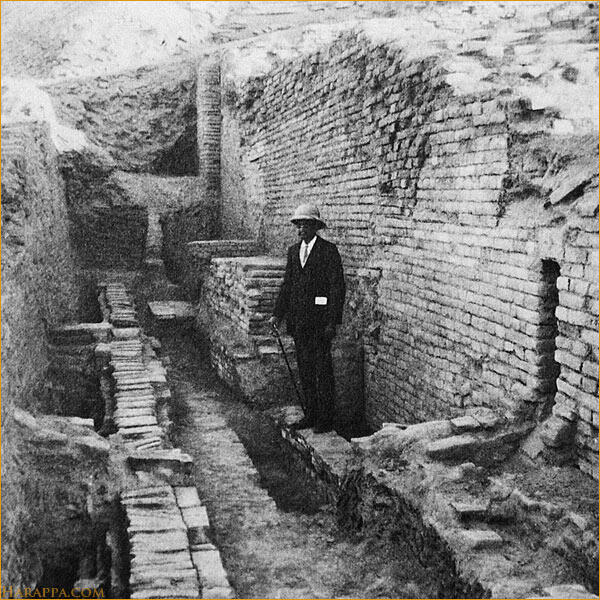
Sir John Marshall (1876–1958) took Indian archaeology to international prominence. He served as Director-General of ASI from 1902 to 1928, making it one of the most respected archaeological institutions in the world.

Major Contributions

  • Led the discovery and excavation of the Indus Valley Civilization at Harappa and Mohenjo-daro

  • Introduced professional conservation practices for monuments

  • Strengthened museum systems and heritage documentation

  • Restored major monuments including Sanchi Stupa, Taj Mahal, and Buddhist sites

  • Authored influential publications such as Mohenjo-daro and the Indus Civilization

Marshall emphasized preservation over reconstruction, setting standards that ASI still follows today.


Their Combined Legacy in ASI India

Together, Cunningham and Marshall shaped the identity and mission of ASI:

  • Cunningham founded and structured archaeological research

  • Marshall modernized, expanded, and globalized Indian archaeology

  • Their work protected India’s cultural heritage for future generations

  • ASI became a guardian of monuments, inscriptions, and ancient cities

Thanks to their vision, India today preserves over 3,600 protected monuments under ASI.


Why This Matters for History & Tourism

For historians, their work provides authentic primary data.
For tourists, it ensures monuments are safe, informative, and well-preserved.
For India, it safeguards a civilization spanning 5,000+ years.

Also Read and Act.

https://khanmansur.blogspot.com/2025/10/red-fort-of-delhi-pride-of-mughal.html

Old Delhi- A living museum of History and Culture.

Explore Old Delhi with a Trusted Local Guide Delhi is not just a city—it is a living museum of history, culture, and food. Our guided tours...

Tour Incredible India