Pioneers of Indian Archaeology: Sir Alexander Cunningham & Sir John Marshall

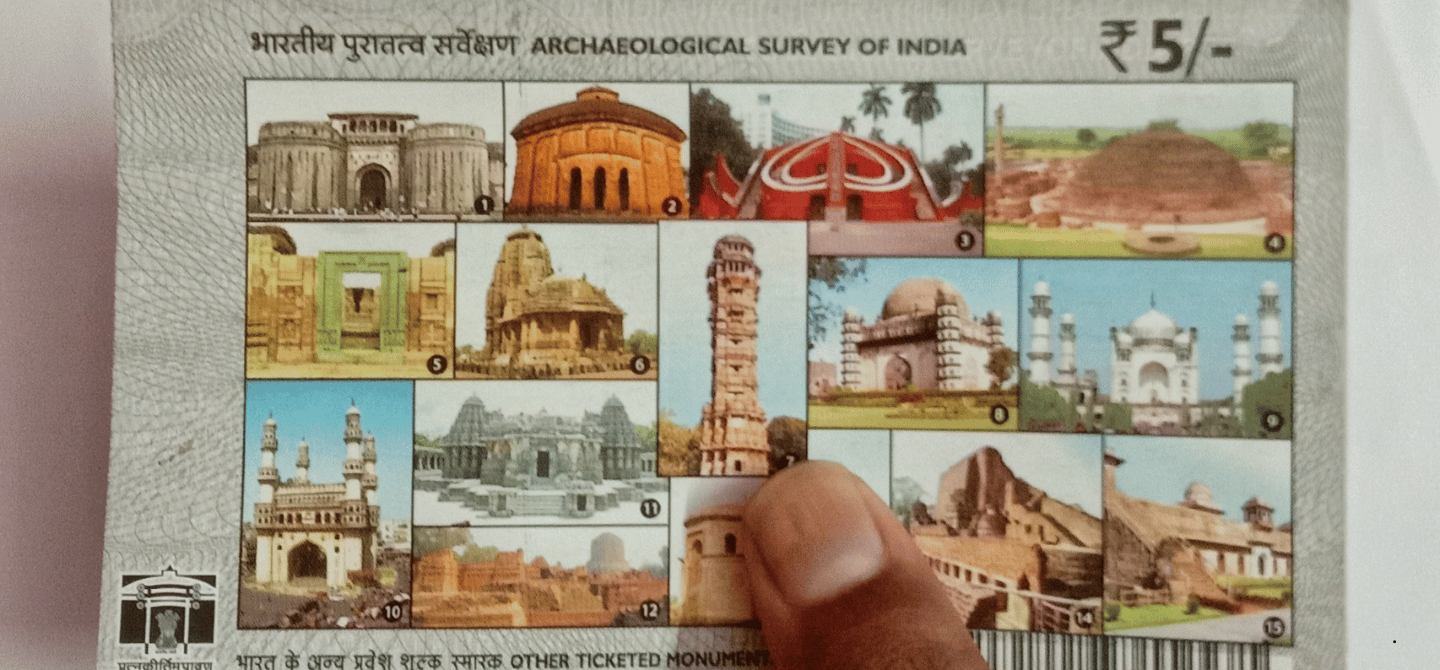
Sir Alexander Cunningham – Founder of the Archaeological Survey of India
Sir Alexander Cunningham (1814–1893) is rightly known as the Father of Indian Archaeology. A British army engineer turned archaeologist, he laid the foundation for systematic archaeological study in India. In 1861, he became the first Director-General of the Archaeological Survey of India (ASI).
Major Contributions
Established scientific methods for surveying and documenting ancient monuments
Identified and mapped ancient Indian cities mentioned by Chinese travelers like Xuanzang
Conducted pioneering excavations at Sarnath, Bharhut, Sanchi, Nalanda, and Bodh Gaya
Deciphered early inscriptions and promoted the study of Indian numismatics (ancient coins)
Published detailed ASI Reports, still valuable for historians and researchers
Cunningham’s work transformed archaeology from treasure hunting into a disciplined historical science in India.

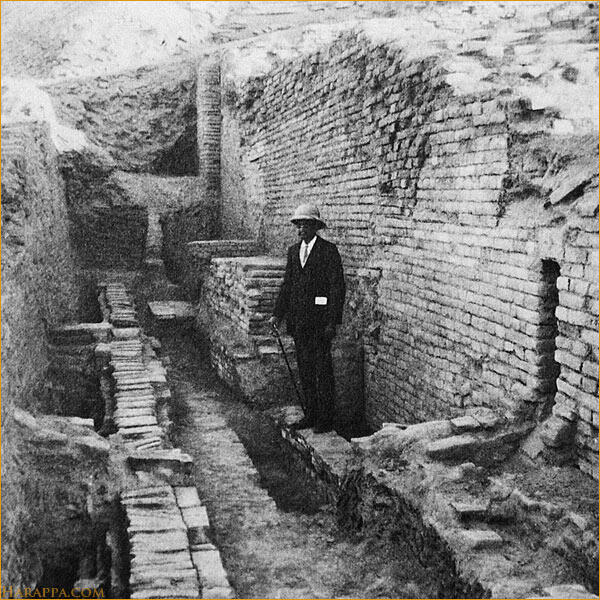

Sir John Marshall – Architect of Modern Indian Archaeology
Sir John Marshall (1876–1958) took Indian archaeology to international prominence. He served as Director-General of ASI from 1902 to 1928, making it one of the most respected archaeological institutions in the world.
Major Contributions
Led the discovery and excavation of the Indus Valley Civilization at Harappa and Mohenjo-daro
Introduced professional conservation practices for monuments
Strengthened museum systems and heritage documentation
Restored major monuments including Sanchi Stupa, Taj Mahal, and Buddhist sites
Authored influential publications such as Mohenjo-daro and the Indus Civilization
Marshall emphasized preservation over reconstruction, setting standards that ASI still follows today.
Their Combined Legacy in ASI India
Together, Cunningham and Marshall shaped the identity and mission of ASI:
Cunningham founded and structured archaeological research
Marshall modernized, expanded, and globalized Indian archaeology
Their work protected India’s cultural heritage for future generations
ASI became a guardian of monuments, inscriptions, and ancient cities
Thanks to their vision, India today preserves over 3,600 protected monuments under ASI.
Why This Matters for History & Tourism
For historians, their work provides authentic primary data.
For tourists, it ensures monuments are safe, informative, and well-preserved.
For India, it safeguards a civilization spanning 5,000+ years.


.jpg)


.jpg)