History of Cricket in India: From Colonial Past to Global Powerhouse

Introduction
Cricket in India is not just a sport—it is an emotion, a cultural bond, and a unifying force. The history of cricket in India dates back more than 300 years, beginning under British colonial rule and evolving into a symbol of national pride. From dusty maidans to world-class stadiums, India’s cricketing journey reflects its social, political, and cultural transformation.
Arrival of Cricket in India (18th–19th Century)
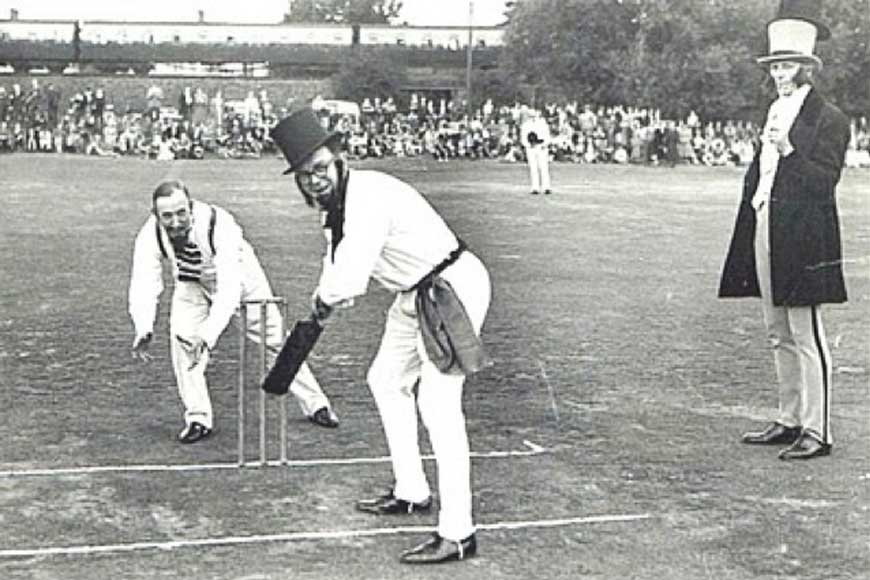
Cricket was introduced to India by British sailors and East India Company officials in the early 18th century. The first recorded cricket match in India was played in 1721. Initially, the game was confined to British officers and elite clubs in port cities like Bombay (Mumbai), Calcutta (Kolkata), and Madras (Chennai).
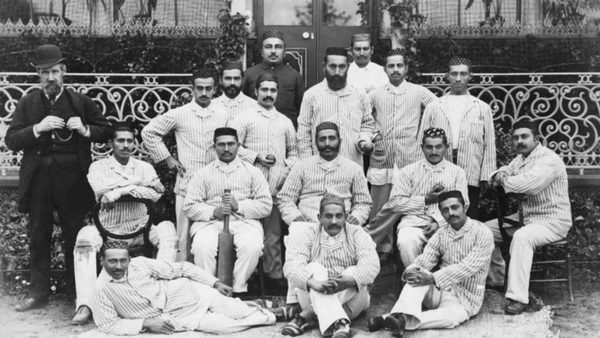
Indian communities soon adopted the sport, with the Parsis becoming the first Indian community to actively play cricket. In 1848, they founded the Oriental Cricket Club in Bombay, marking a turning point in Indian cricket history.
Community Cricket & The Bombay Quadrangular
Cricket in colonial India was organized along community lines. This led to tournaments like:
Bombay Triangular
Bombay Quadrangular (Europeans, Parsis, Hindus, Muslims)
These matches were extremely popular and played a crucial role in spreading cricket among Indians. However, they also reflected colonial-era divisions.
India Enters International Cricket (1932)


India played its first Test match in 1932 at Lord’s, England, under the captaincy of C.K. Nayudu. Though India lost, the match marked India’s official entry into international cricket.
In 1934, the Board of Control for Cricket in India (BCCI) was formed, which later became the most powerful cricket board in the world.
Post-Independence Era & Early Struggles (1947–1970s)
After independence in 1947, cricket became a source of national identity. Indian legends like:
Vinoo Mankad
Polly Umrigar
Mansoor Ali Khan Pataudi
helped India gain respect on the international stage. However, overseas victories were rare, and India was still considered a weak touring side.
The 1983 World Cup: A Turning Point


The 1983 Cricket World Cup victory under Kapil Dev changed everything. India defeated the mighty West Indies at Lord’s, shocking the cricketing world. This win:
Popularized cricket nationwide
Inspired future generations
Increased media and commercial interest
Cricket truly became a mass sport in India after 1983.
Liberalization, TV & The Sachin Era (1990s)
The 1990s saw the rise of television, sponsorships, and iconic players. Sachin Tendulkar, known as the God of Cricket, became a global superstar. Alongside players like:
Rahul Dravid
Sourav Ganguly
Anil Kumble
India transformed into a competitive cricketing nation.
IPL & Modern Dominance (2008–Present)
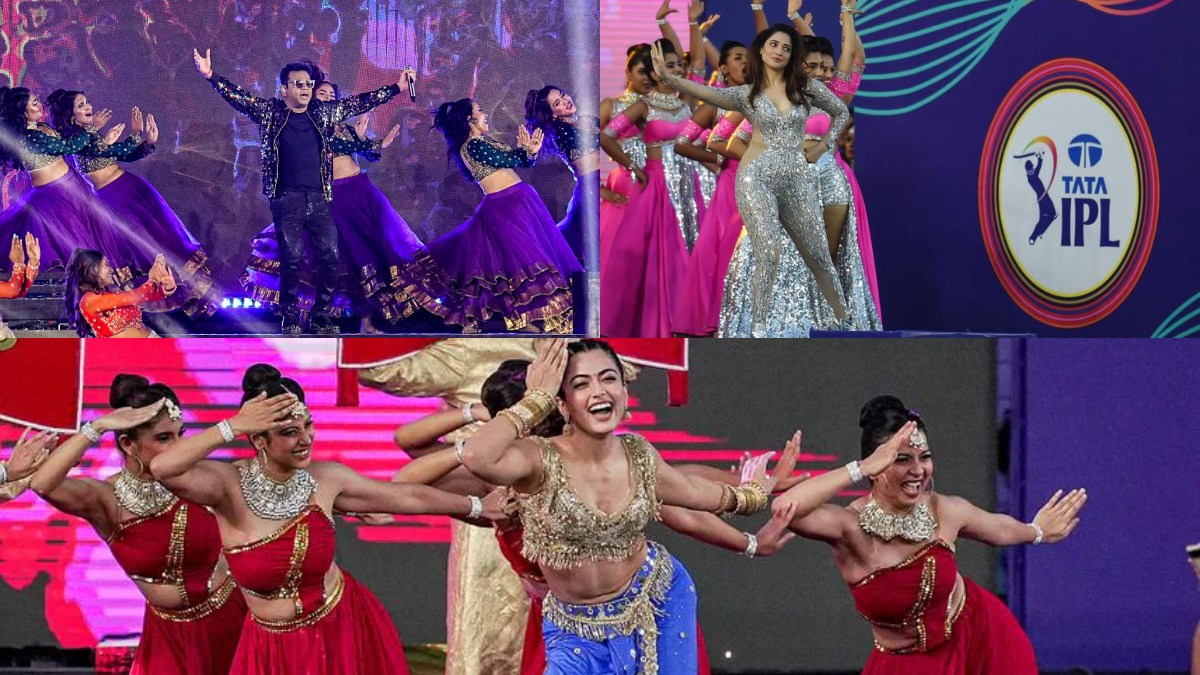


The launch of the Indian Premier League (IPL) in 2008 revolutionized world cricket. It brought:
Global players together
Massive revenues
Young Indian talent to the forefront
Major achievements in this era include:
T20 World Cup 2007 (MS Dhoni)
ODI World Cup 2011
Test series wins abroad
India becoming No.1 Test team
2024 Twenty-Twenty World cup.
2025 Asia cup.
Conclusion
From a colonial pastime to a global cricketing superpower, the history of cricket in India is a story of passion, perseverance, and pride. Today, cricket unites millions across languages, regions, and cultures—making it an inseparable part of India’s identity.
Also read.


.jpg)


.jpg)
No comments:
Post a Comment