SEARCH

Whatsapp Button

Tuesday, March 03, 2026

Chittorgarh Fort- Pride of Rajasthan.

                  Chittorgarh Fort- Complete Travel Guide, History & Major Wars


 Chittorgarh Fort – Complete Travel Guide, History & Major Wars

Image

Image

Image

Image


Introduction: The Pride of Rajasthan

Located in the heart of Rajasthan, Chittorgarh Fort is the largest fort in India and a UNESCO World Heritage Site under the Hill Forts of Rajasthan. Spread across 700 acres and rising 180 meters above the plains, this majestic fort is a symbol of Rajput bravery, sacrifice, and honor.

For heritage lovers and history enthusiasts exploring Rajasthan, Chittorgarh is not just a monument — it is an emotion deeply connected with the legacy of Mewar.


History of Chittorgarh Fort

Chittorgarh was the ancient capital of the Sisodia Rajputs of Mewar. The fort gained prominence under legendary rulers like:

  • Rana Kumbha

  • Rana Sanga

  • Maharana Pratap

The fort has seven massive gates (Pols) that once protected it from enemy invasions. Inside, you’ll find palaces, temples, stepwells, reservoirs, and magnificent towers reflecting Rajput architecture.


Architectural Highlights Inside Chittorgarh Fort

 Vijay Stambha (Victory Tower)

Built in the 15th century by Rana Kumbha to celebrate his victory over Mahmud Khilji of Malwa. This nine-story tower is intricately carved with Hindu deities and offers panoramic views of the fort. 

Kirti Stambha

An earlier Jain tower dedicated to Adinath, showcasing detailed Jain sculptures.

 Rani Padmini Palace

Associated with the legendary Queen Padmini, this beautiful palace surrounded by water is linked to the famous siege of 1303.

The fort also has nearly 80 water bodies, showcasing advanced medieval water conservation techniques — a fascinating detail for history and architecture lovers.


 Major Wars of Chittorgarh Fort

Chittorgarh witnessed three historic sieges that shaped Indian medieval history.


1️⃣ Siege of 1303 AD. – Allaudin Khilji

The first major attack came from Alauddin Khalji. According to tradition, he was captivated by Rani Padmini’s beauty and laid siege to the fort. After intense battle, the fort fell. Thousands of Rajput women performed Jauhar, and the warriors fought to the death in Saka.


2️⃣ Siege of 1535 – Bahadur Shah of Gujarat

The second siege was led by Bahadur Shah of Gujarat. Once again, the Rajputs resisted bravely but were overpowered. Another tragic Jauhar marked this invasion.


3️⃣ Siege of 1567–68 – Akbar

The third and most decisive attack was by Akbar. Despite heroic resistance by Jaimal and Patta, Mughal artillery eventually breached the fort. After this siege, the capital of Mewar shifted to Udaipur.


Why Visit Chittorgarh Fort?

✔ Largest fort in India
✔ UNESCO World Heritage Site
✔ Icon of Rajput bravery
✔ Incredible sunset views
✔ Rich architecture & photography spots
✔ Perfect addition to Udaipur–Rajasthan itinerary


Travel Information

Location: Chittorgarh district, Rajasthan
Nearest Airport: Udaipur (approx. 90 km)
Best Time to Visit: October to March
Time Required: 3–4 hours minimum
Ideal For: History lovers, heritage travelers, photographers, students


Final Thoughts

Chittorgarh Fort is not merely a tourist attraction — it is a living testimony of sacrifice, courage, and Rajput pride. Every wall, every tower, and every courtyard whispers stories of valor that continue to inspire India.

If you are planning a Rajasthan heritage tour, Chittorgarh Fort must be on your list.

Chittorgarh Fort history, Chittorgarh Fort war, Vijay Stambha, Rani Padmini Palace, Rajput history, Rajasthan forts, UNESCO forts in India, Mewar dynasty.

Also read

Pls. share the post.

Monday, February 16, 2026

Golden Period of Mughal Architecture in India – History, Features & Iconic Monuments

                 Golden Period of Mughal Architecture (16th – 17th Century)


The Golden Period of Mughal Architecture is widely considered to span from the mid-16th century to the late-17th century, primarily during the reigns of Emperor Akbar (1556–1605), Jahangir (1605–1627), and Shah Jahan (1628–1658). This era represents the peak of artistic, cultural, and architectural excellence in the Indian subcontinent under the Mughal Empire. The monuments constructed during this time not only reflected imperial power and wealth but also symbolized a harmonious blend of Persian, Timurid, Central Asian, and Indian architectural traditions. These structures continue to attract historians, architects, and tourists from around the world.


Origins and Influences

Mughal architecture did not emerge suddenly; it evolved from earlier Indo-Islamic and Sultanate styles. Babur and Humayun laid the initial foundations, but their short and politically unstable reigns limited grand architectural projects. However, they introduced Persian garden concepts, geometric symmetry, and charbagh (four-part garden layouts), which later became essential elements of Mughal design.

The real transformation began with Akbar, who promoted a cultural synthesis. He encouraged local craftsmanship, resulting in structures that blended Hindu, Jain, and Islamic elements. Red sandstone became a dominant material during this period, symbolizing strength and royal authority.

Akbar’s Architectural Vision

Emperor Akbar’s reign marked the beginning of monumental Mughal construction. His buildings were massive, strong, and richly decorated with carvings rather than delicate ornamentation. One of the finest examples is Fatehpur Sikri, a planned imperial city built near Agra. It showcased large gateways, spacious courtyards, and intricate stone latticework (jali). The Buland Darwaza, an enormous gateway, demonstrated the empire’s power and architectural ambition.

Akbar’s architecture emphasized fusion and experimentation. Pillared halls, chhatris (domed kiosks), brackets, and decorative motifs drawn from Hindu temple architecture became common. The use of red sandstone with white marble inlays added both contrast and elegance. Akbar’s tomb at Sikandra also illustrates his preference for layered terraces and a mix of stylistic influences.

Jahangir’s Period – Refinement and Decoration

While Jahangir was more interested in painting and gardens than monumental architecture, his reign introduced refinement, elegance, and ornamentation. Architectural works during his time became lighter and more decorative. The use of white marble increased, and pietra dura (stone inlay work with semi-precious stones) began to flourish.

One of the significant monuments of this period is the Tomb of Itimad-ud-Daulah in Agra, often called the “Baby Taj.” It represents a transitional phase between Akbar’s strong sandstone structures and Shah Jahan’s pure marble masterpieces. The delicate marble screens, floral motifs, and fine craftsmanship set the stage for the architectural zenith that followed.


Shah Jahan – The Zenith of Mughal Architecture

The Golden Period reached its absolute peak under Shah Jahan, whose reign is synonymous with grandeur, symmetry, and white marble magnificence. His architectural philosophy emphasized beauty, proportion, and intricate detailing. The most iconic monument of Mughal architecture, the Taj Mahal, stands as a timeless symbol of love and artistic perfection. Built in white marble with exquisite pietra dura inlays, symmetrical gardens, and a grand dome, it represents the pinnacle of Mughal design.

Apart from the Taj Mahal, Shah Jahan commissioned the Red Fort in Delhi, Jama Masjid, and numerous palaces and gardens. His buildings featured bulbous domes, slender minarets, large courtyards, calligraphy panels, and refined floral carvings. The extensive use of marble, gold embellishments, and semi-precious stones reflected both prosperity and aesthetic sophistication.

Key Architectural Features

The Golden Period of Mughal architecture is distinguished by several defining characteristics:

  • Symmetry and Balance: Structures were designed with precise geometric alignment and proportion.

  • Domes and Minarets: Large onion-shaped domes and tall minarets became signature features.

  • Gardens: Charbagh layouts symbolized paradise and spiritual harmony.

  • Material Usage: Transition from red sandstone to white marble with decorative inlay work.

  • Calligraphy and Ornamentation: Quranic inscriptions, floral patterns, and geometric designs enhanced aesthetic appeal.

  • Fusion of Styles: Integration of Persian, Central Asian, and indigenous Indian architectural motifs.

Cultural and Historical Significance

The Golden Period of Mughal architecture was not merely about constructing grand buildings; it represented the empire’s cultural inclusivity and artistic innovation. These monuments served as political symbols, religious spaces, administrative centers, and personal memorials. They reflected the Mughal vision of universal kingship, where architecture became a medium to express power, spirituality, and artistic brilliance simultaneously.

Moreover, the craftsmanship involved skilled artisans, stone carvers, calligraphers, and engineers from various regions, demonstrating a collaborative artistic culture. The legacy of this era influenced later Indian architecture, including Rajput and colonial styles.

Decline After the Golden Era

Following Shah Jahan’s reign, Mughal architecture gradually declined. Aurangzeb focused more on military expansion than artistic patronage, leading to fewer grand projects. Later Mughal rulers lacked both resources and political stability, resulting in simpler constructions that could not match the magnificence of earlier monuments.

Conclusion

The Golden Period of Mughal Architecture stands as one of the most glorious chapters in Indian history. It produced architectural masterpieces that combine strength, elegance, spirituality, and artistic innovation. From Akbar’s robust red sandstone structures to Shah Jahan’s breathtaking marble creations, this era reflects the height of Mughal creativity and cultural synthesis. Even today, these monuments remain enduring symbols of India’s rich heritage, attracting millions of visitors and continuing to inspire architects and historians worldwide.

Contact me for the best Indian Vacations.

Also read

tourindia

Saturday, February 07, 2026

Sonar Qila- The Golden Fort of India.


  • The Jaisalmer Fort also goes by the name Sonar Quila (Golden Fort) as it rises from the desert itself and seems to become one with the golden hues of the sand. The setting sun adds its own magic and shrouds the fort with mystique. The fort is constructed in the classic style of the royals by local craftsmen. This fort is a world heritage site and forms an important plot point in one of Satyajit Ray’s famous Feluda stories and corresponding movie, Sonar Kela (The Golden Fortress).


Friday, January 30, 2026

Birsa Munda: The Fearless Tribal Hero Who Challenged British Rule

 Image

Image

Image

Image

Birsa Munda stands tall among India’s greatest freedom fighters as a symbol of courage, resistance, and tribal pride. Born into a humble tribal family, Birsa emerged as a powerful leader who dared to challenge British colonial rule and the exploitation of indigenous communities. His short life was marked by extraordinary bravery and an unshakable commitment to justice.

Early Life and Awakening

Birsa Munda was born on 15 November 1875 in the Chotanagpur region (present-day Jharkhand). Growing up amid forests and villages, he witnessed how British policies, moneylenders, and landlords snatched land from tribal families, pushing them into poverty and bondage. These injustices shaped Birsa’s resolve to fight back.

Though he received some formal education, Birsa remained deeply rooted in tribal traditions. Over time, he developed a strong spiritual and social vision—one that emphasized unity, self-respect, and resistance against oppression.

The Ulgulan: A Call to Revolt

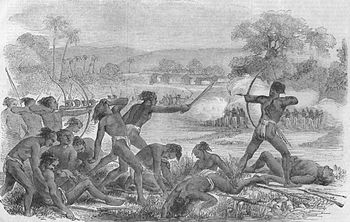
Birsa Munda’s bravery shone brightest during the Ulgulan (The Great Tumult), a mass tribal uprising he led against British authority in the late 1890s. He inspired thousands of Adivasis to stand up for their rights, urging them to reclaim their ancestral lands and reject exploitative systems.

Armed mostly with bows, arrows, and an unbreakable spirit, Birsa and his followers confronted a powerful colonial regime. His fearless speeches and leadership ignited hope among tribal communities, transforming him into a living symbol of resistance.

Courage Against the British Empire

What makes Birsa Munda’s bravery exceptional is that he challenged the British without fear, despite overwhelming odds. The colonial government saw him as a serious threat and launched massive operations to suppress his movement. Birsa was arrested multiple times but never lost his resolve.

In 1900, at just 25 years of age, Birsa Munda died in British custody under mysterious circumstances. Though his life was short, his courage left a permanent mark on India’s freedom struggle.

Legacy of a Brave Heart

Birsa Munda’s sacrifice forced the British to rethink their exploitative land policies, eventually leading to reforms that protected tribal land rights. Today, he is revered as Bhagwan Birsa by many tribal communities.

His legacy lives on in:

  • Birsa Munda Jayanti (15 November), celebrated across India

  • Statues, memorials, and institutions named in his honor

  • Inspiration for tribal rights movements and social justice campaigns

Conclusion

Birsa Munda was not just a rebel; he was a visionary leader whose bravery awakened an entire generation. He proved that even the most marginalized voices can shake an empire when driven by truth and courage. His life reminds us that real heroism lies in standing up for justice—no matter the cost.

Birsa Munda will forever remain a shining symbol of fearless resistance and tribal pride in India’s history.

also read

Saturday, January 24, 2026

25 Major Questions Foreigners Ask (with Clear Answers)


25 Major Questions Foreigners Ask (with Clear Answers)

1) “Is India safe for foreign tourists?”

Answer: Yes, with smart travel habits. Use trusted transport (Uber/Ola/prepaid taxi), keep valuables secure, avoid isolated areas late night, and prefer verified guides and reputable hotels. In crowded markets, stay alert for pickpockets and distraction scams.

2) “What are the most common tourist scams in India?”

Answer: Fake guides ,must read “closed today” scams, inflated taxi fares, gemstone etc. pressure shopping, and agents pushing overpriced tours. Use official ticket counters, verified platforms, and confirm prices before any service.

3) “Do I need a licensed tour guide?”

Answer: Yes, but need to confirm his/her License. IITG , Incredible India Tourist Guides are Premium guides in India,  A licensed guide improves historical context, saves time, and helps avoid fake-guide problems and overcharging.

4) “What is the best time to visit India?”

Answer: Generally October to March for North India (Delhi–Agra–Jaipur–Rajasthan) due to pleasant weather. Summer can be very hot; monsoon is lush but humid and can disrupt plans. But you will get best to best deal in Summer Months. 

5) “How many days do I need for the Golden Triangle?”

Answer: Ideal is 5–7 days for Delhi, Agra, Jaipur. Add 3–7 extra days for Rajasthan (Jodhpur, Jaisalmer, Udaipur, Pushkar).

6) “What is the best way to travel between cities?”

Answer:

  • Train: good for comfort and experience (book early).

  • Private car with driver: best for flexibility and safety, especially Rajasthan loops.

  • Flights: best for long distances to save time.

7) “How do I book Indian trains as a foreigner?”

Answer: Use official apps/websites, authorized partners, or get help via your official tourist Guide /travel agent. Book early for popular routes. Carry passport/ID and keep your PNR handy.

8) “Do I need cash, or can I pay by card?”

Answer: Carry both. Cards work in hotels/restaurants, but cash is useful for small shops, tips, and local markets. Keep small denominations.

9) “Can foreigners use UPI in India?”

Answer: In many places, UPI is widely accepted, but tourist access can depend on bank/phone setup. If you can’t activate UPI, use cards + cash and avoid paying by random QR codes from unknown people.

10) “How much should I tip in India?”

Answer: Tipping is appreciated. For guides/drivers, tip based on service quality and trip length. In restaurants, check if service charge is included; otherwise tip modestly.

11) “What should I wear in India?”

Answer: Modest, breathable clothing is best. In temples/holy places, cover shoulders and knees. Comfortable walking shoes are essential for forts and bazaars.

12) “Is it okay for couples to show affection in public?”

Answer: Keep it minimal. Holding hands is usually fine; heavy PDA can attract attention.

13) “What about food and water safety?”

Answer: Drink sealed bottled water, avoid raw unwashed salads in small places, eat freshly cooked food, start mild, and carry basic meds (ORS, anti-diarrheal as advised by your doctor).

14) “Will I get sick (Delhi belly)?”

Answer: It’s possible for first-time visitors. Reduce risk with safe water, cautious street food choices, and hygiene. Travel insurance is strongly recommended. Avoid Spicy food in first 2-3 days.

15) “Do I need vaccinations?”

Answer: Many travelers consult a doctor for recommended vaccines. Requirements depend on your country, health, and itinerary. Get professional medical advice before travel.

16) “How do I avoid fake guides at monuments?”

Answer: Use official counters, pre-book a verified guide, and look for government/authorized ID. Check ID, or prebook with Google search also. Again ask for ID before booking.

17) “Are prices negotiable in markets?”

Answer: Yes, bargaining is normal in bazaars (not fixed-price stores). Set a budget, compare 2–3 shops, and walk away if uncomfortable.

18) “Is Uber/Ola reliable?”

Answer: Generally yes in major cities. Confirm plate number, don’t share OTP, and avoid changing the ride to “cash only” if you prefer card/app payment.

19) “What SIM card is best for tourists?”

Answer: Airtel/Jio/Vodafone Idea are common. Buy from an official store or airport kiosk with passport/visa. Avoid street sellers offering “instant SIM” with unclear paperwork.

20) “How early should I visit the Taj Mahal?”

Answer: Sunrise is best for light and fewer crowds. Keep ID and tickets ready; avoid unofficial ticket sellers.

21) “Is photography allowed everywhere?”

Answer: Usually yes, but some places restrict photography or charge camera fees. In temples and museums, ask first.

22) “What about women’s safety in India?”

Answer: Many women travel safely, but extra caution is advised: use reputable transport, avoid isolated areas late, dress modestly if it helps reduce attention, and share live location with trusted contacts.

23) “Can I travel solo in Rajasthan?”

Answer: Yes, but plan carefully. Pre-book hotels, keep transport organized, and avoid very late-night arrivals in remote areas. A private driver/guide can make it smoother.

24) “What should I buy as souvenirs?”

Answer: Handicrafts, textiles, spices, tea, and local art—prefer reputable stores for quality and fair pricing.

25) “How can I plan a scam-free itinerary?”

Answer: Use verified hotels/transport, keep day plans realistic, avoid random agents, and book key items (trains, Taj Mahal, major city transfers) in advance.

Contact me for best India holidays Experiences. See my WhatsApp on top.

Pls. share the post.


https://khanmansur.blogspot.com/2025/10/red-fort-of-delhi-pride-of-mughal.html

Bahadur Shah Zafar – The Last Mughal Emperor and His Tragic End

  Bahadur Shah Zafar – The Last Mughal and His Tragic End. “Discover the tragic story of Bahadur Shah Zafar, the last Mughal emperor of Indi...

Tour Incredible India